
Rest, Relaxation, Sleep and You
Rest and Relaxation – Get More of It! Really.
Rest is a noun, and we need to do more of it.
1. The refreshing quiet or repose of sleep: a good night’s rest.
2. Refreshing ease or inactivity after exertion or labor: to allow an hour for rest.
3. Relief or freedom, especially from anything that wearies, troubles, or disturbs.
4. A period or interval of inactivity, repose, solitude, or tranquility: to go away for a rest.
5. Mental or spiritual calm; tranquility.
Many people are faced by a stressful situation at work, they respond with complete commitment, by working intensely hard at resolving it. To do this, they may work all hours, cancel vacations and cut back on sleep, all to make more time to tackle the problem. For some people, this goes from a temporary work process to a regular pattern to a lifestyle. If this is short-lived, then negative effects will be minimal and success will often be spectacular. However, if this level of hard work is sustained for a long time without relief, people increasingly risk ill-health and burnout. We rest and sleep because our bodies and minds need it.
Rest is what we do to let stress go. Rest at the end of a day, and at the end of a week, helps us to calm down. Doing fun things that we enjoy in our leisure time compensates us for the stress we experience at work, bringing some balance back into life.
A good way of getting rest and reducing long-term stress is to take up an enjoyable, non-rushed sport or hobby. Activities like these are pleasant to be completely non-competitive:
- reading novels
- watching television or going to the movies
- socializing such as Spa Day with girlfriends
- slow physical activities such as sailing or walking
- cooking
Vacations are particularly important, and we really do need to take them. When possible, take two weeks off rather than just one week. It’s common for people to feel that they really don’t start to relax until the end of their first week of vacation. Make sure that you take your vacations and that you use them to relax. Also, make sure that you get enough good quality rest during the week, so that you can keep on enjoying life to its fullest.
 Sleep
Sleep
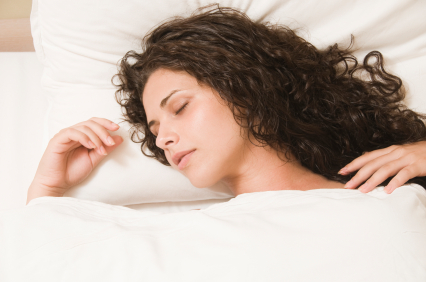
On average, people need around eight hours sleep a night (although this can vary between three hours and eleven hours, depending on the person and his or her age). Lack of sleep can affect concentration and productivity and our energy levels decline. We have all seen and experienced this.
Make sure you get enough sleep. If you have become used to being tired all the time, you will be amazed by how sharp and energetic you will feel once you start sleeping normally.
Tip:
When we are stressed and anxious, we often find it difficult to get to sleep as thoughts keep on whizzing through our heads, stopping us from relaxing enough to fall asleep. Here are a few helpful tips for better sleep:
- Stop doing mentally demanding work several hours before coming to bed. Give your brain time to calm down before you try to sleep.
- Try reading a calming, undemanding book.
- Write persistent thoughts and worries down in a notebook and then put them out of your mind. Review the notebook in the morning and take action if appropriate.
- Keep the same bedtime. Let your body and mind get used to a predictable routine.
- Cut back on caffeine and alcohol. Some people find that they sleep badly if they drink coffee or cola after 4 pm. Others find that if they drink alcohol to excess, they wake up in the middle of the night and cannot get back to sleep.
If you are still having trouble getting to sleep, meditation scripts like Meditainment’s Secret Garden, Deep Relaxation and Falling Asleep can help enormously.


